The automotive industry has transformed dramatically, and dealerships that rely solely on traditional walk-in traffic are missing significant opportunities. Modern car buyers conduct extensive online research before ever stepping foot on a lot, making effective lead generation strategies for dealerships more critical than ever. In today’s competitive market, dealerships need sophisticated systems to capture, nurture, and convert leads efficiently.
Why Lead Generation Matters for Modern Dealerships
Vehicle sales have shifted from spontaneous showroom visits to calculated purchasing decisions. Today’s consumers spend weeks researching models, comparing prices, and reading reviews before making contact. This behavioral shift means dealerships must implement automotive lead generation tactics that meet customers where they are—primarily online.
The average car buyer visits fewer than two dealerships before making a purchase decision, down from five just a decade ago. This statistic underscores why capturing leads early in the buyer’s journey is essential. Dealerships that master digital lead generation can influence purchasing decisions before competitors even get a chance to present their offerings.
Understanding Your Dealership’s Target Audience
Before implementing any dealership marketing strategies, you must understand who you’re trying to reach. Different customer segments require different approaches:
First-Time Buyers typically need more education and reassurance throughout the buying process. They respond well to content that explains financing options, maintenance costs, and vehicle comparisons. These leads often come through educational blog content and social media engagement.
Trade-In Customers are looking for convenience and fair value for their current vehicles. They appreciate transparent trade-in valuation tools and hassle-free processes. Creating landing pages specifically for trade-in evaluations can capture this valuable segment.
Luxury Vehicle Shoppers expect premium experiences from initial contact through delivery. They respond to personalized communication, exclusive previews, and white-glove service messaging. Lead management systems that track customer preferences are essential for this demographic.
Fleet Buyers make decisions based on total cost of ownership, reliability data, and service agreements. They require detailed specifications, volume pricing, and ongoing relationship management.
Digital Marketing Strategies That Drive Dealership Leads
Search Engine Optimization for Automotive
Your dealership’s website should rank prominently when potential customers search for vehicles in your area. Implementing car dealership SEO strategies involves optimizing for location-based keywords, creating vehicle-specific content pages, and maintaining accurate business listings across directories.
Google My Business optimization is particularly crucial for dealerships. Ensure your listing includes current inventory highlights, customer reviews, high-quality photos, and accurate hours. Posts about new arrivals, special financing offers, and service promotions keep your profile active and engaging.
Creating neighborhood-specific landing pages can capture hyper-local traffic. For example, pages titled “Best SUVs for [Neighborhood] Families” or “Certified Pre-Owned Vehicles Near [Landmark]” can attract searchers with high purchase intent.
Pay-Per-Click Advertising for Immediate Results
While SEO builds long-term visibility, PPC advertising delivers immediate qualified traffic. Dealership PPC campaigns should target high-intent keywords like “buy [make/model] near me” or “[brand] lease deals [city].”
Remarketing campaigns are particularly effective for dealerships since the consideration period for vehicle purchases is typically several weeks. Visitors who viewed specific models on your site can see targeted ads featuring those vehicles as they browse other websites.
Dynamic inventory ads automatically showcase vehicles from your current stock based on what users have shown interest in. These ads stay current without manual updates, ensuring potential customers see available inventory.
Social Media Lead Generation
Social platforms have evolved beyond brand awareness tools into powerful automotive lead generation channels. Facebook and Instagram allow dealerships to target users based on life events (new jobs, relocations, engagements) that often trigger vehicle purchases.
Video content performs exceptionally well for dealerships. Virtual walkarounds, feature highlights, and customer testimonials generate higher engagement than static images. Facebook Live events for new model reveals or special sales events create urgency and excitement.
Instagram Stories with interactive polls, questions, and swipe-up links (for accounts with 10k+ followers) create engagement opportunities that can be converted into leads. Highlighting customer deliveries and service experiences builds trust with potential buyers.
Converting Website Visitors Into Qualified Leads
Optimizing Landing Pages for Conversion
Generic “Contact Us” pages don’t generate leads effectively. Successful dealerships create specific landing pages for different customer intents: new vehicle inquiries, service appointments, trade-in valuations, and financing applications.
Each landing page should feature a clear value proposition, minimal navigation distractions, compelling imagery, and a prominent form. A/B testing different headlines, images, and form lengths helps identify what resonates with your audience.
Trade-in valuation tools are particularly effective lead magnets. Visitors who enter their vehicle information to get an instant estimate provide valuable data and are typically in active shopping mode. Following up within minutes of form submission dramatically increases conversion rates.
Live Chat and Chatbot Implementation
Modern car shoppers expect immediate answers to their questions. Implementing live chat on your website ensures visitors receive instant assistance during business hours. For after-hours inquiries, AI-powered chatbots can answer common questions, schedule test drives, and collect contact information.
Effective dealership chatbot strategies include qualifying questions that segment leads by interest level, preferred contact method, and purchase timeline. This information allows sales teams to prioritize follow-up appropriately.
Integrating chat systems with your CRM platform ensures conversations are preserved and accessible to the sales team member who follows up. SmartXCRM’s integration capabilities make this seamless, preventing any lead from falling through the cracks.
Email Marketing That Nurtures Dealership Leads
Email remains one of the highest ROI channels for dealership lead nurturing. However, generic blast emails achieve poor results. Segmented, personalized campaigns based on customer behavior and preferences drive significantly better engagement.
Automotive email sequences should be tailored to where prospects are in their buying journey. Early-stage leads benefit from educational content about vehicle features, financing options, and ownership costs. Mid-stage leads respond to specific model comparisons, available inventory, and limited-time offers. Late-stage leads need urgency-driven messages about incentives expiring or specific vehicle availability.
Abandoned vehicle configuration emails can recover interested shoppers who built their ideal vehicle on your site but didn’t submit a lead form. These targeted messages with direct links to their saved configuration can prompt them to take the next step.
Service customers represent a valuable source of sales leads. Emails highlighting trade-in values, new model features, or loyalty incentives can convert service customers into buyers. Data-driven email marketing strategies help craft subject lines and content that maximize open and click-through rates.
The Role of CRM in Dealership Lead Generation
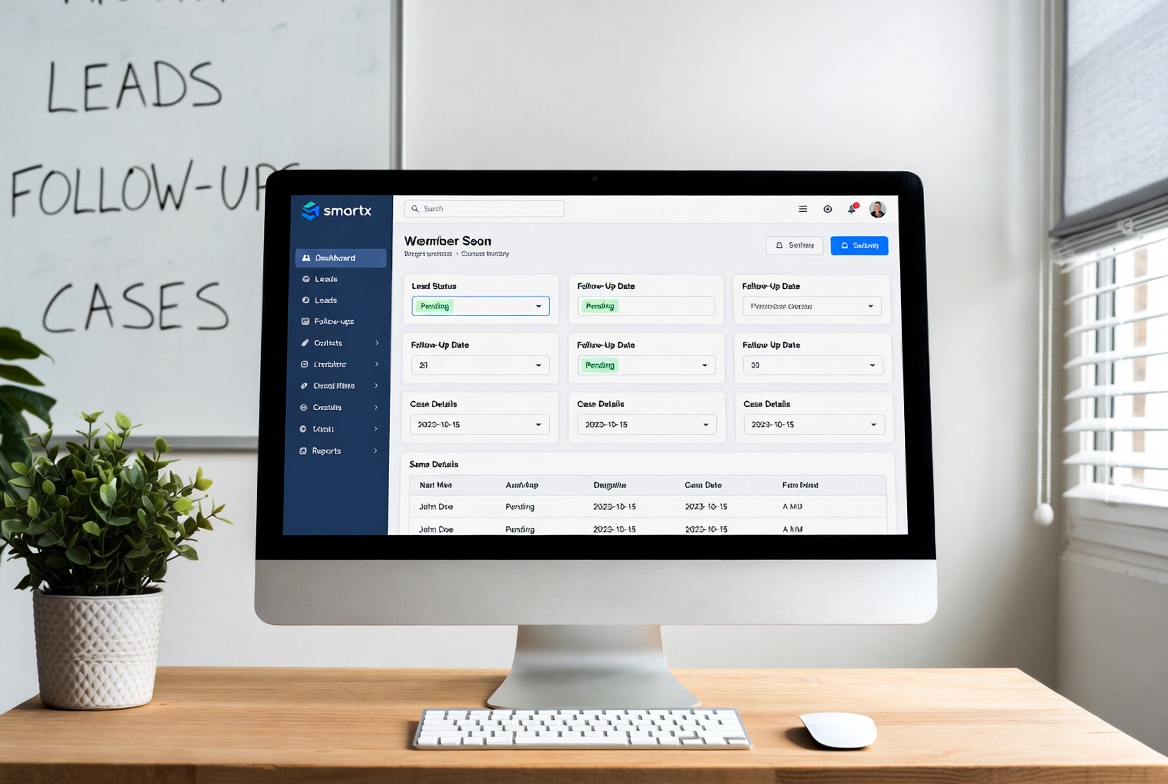
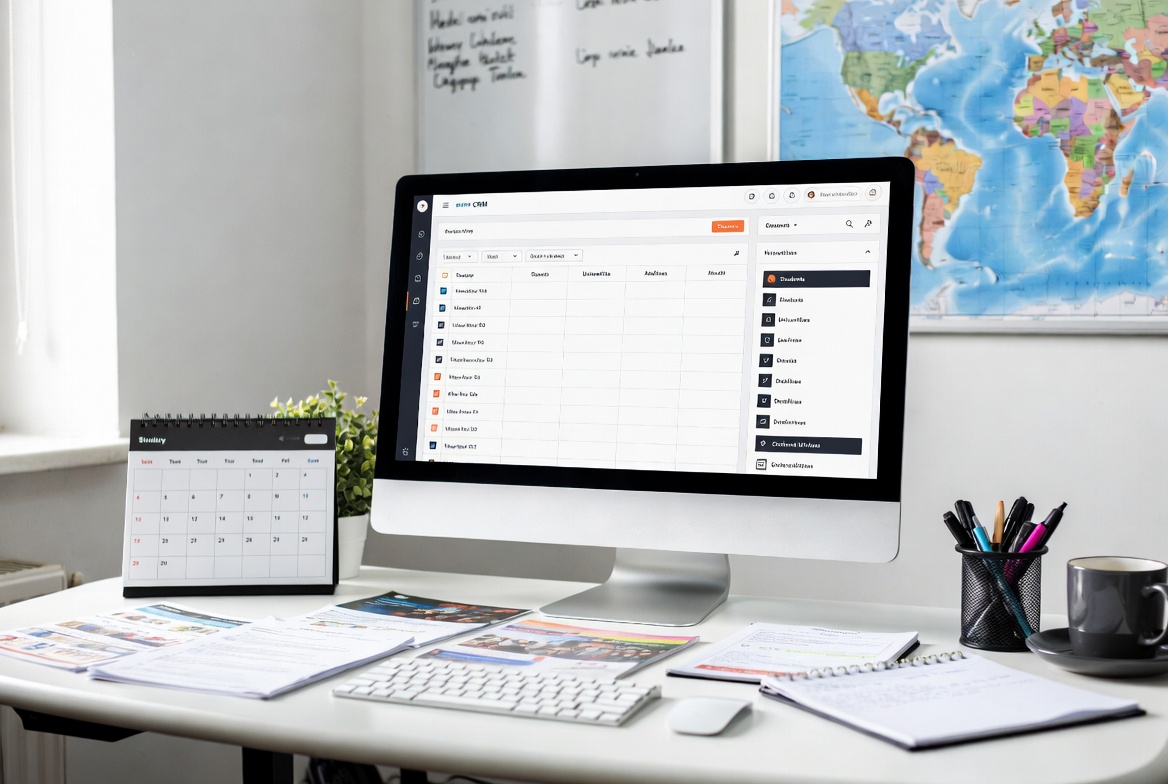
A robust customer relationship management system is the foundation of effective lead generation. Modern dealership CRM systems do far more than store contact information—they automate follow-ups, score lead quality, track customer interactions, and provide actionable insights.
SmartXCRM’s Mizo platform offers dealerships specialized features designed for automotive sales processes. The system can automatically route leads to appropriate sales representatives based on vehicle interest, customer location, or lead source. This ensures the right team member with relevant expertise handles each opportunity.
Automated follow-up reminders ensure no lead goes cold due to human oversight. The system can trigger emails, text messages, or task notifications based on predefined timelines and customer behaviors. For example, if a lead views vehicle inventory emails but doesn’t respond, the system can automatically escalate them for a personalized phone call.
Lead scoring functionality helps sales teams prioritize their efforts. Leads are assigned points based on engagement signals: website visits, email opens, form submissions, and chat interactions. High-scoring leads receive immediate attention, while lower-scoring leads enter nurture campaigns until they demonstrate higher purchase intent.
Analytics and reporting capabilities reveal which lead sources generate the highest quality opportunities and best ROI. Dealerships can identify that, for instance, Facebook leads convert at 15% while third-party sites convert at only 8%, allowing smarter budget allocation.
Leveraging Third-Party Lead Providers Effectively
Many dealerships supplement organic lead generation with third-party providers like Autotrader, Cars.com, and TrueCar. While these services deliver volume, the quality varies significantly, and costs can be substantial.
The key to maximizing third-party lead ROI is rapid response and persistent follow-up. These leads are often shared with competing dealerships, making response time critical. Studies show that contacting leads within five minutes versus thirty minutes can increase conversion rates by 900%.
Integrating third-party leads directly into your CRM eliminates manual data entry and ensures immediate routing to sales representatives. SmartXCRM’s integration capabilities connect with major automotive lead providers, automatically importing new opportunities and triggering follow-up workflows.
Not all third-party leads deserve equal investment. Tracking conversion rates and cost-per-sale by source helps identify which providers deliver profitable results. Some dealerships find that organic leads from their website convert at three times the rate of certain paid sources, despite lower volume.
Video Marketing for Dealership Lead Generation
Video has become the most engaging content format, particularly for high-consideration purchases like vehicles. Dealerships implementing comprehensive automotive video marketing see significant increases in lead quality and quantity.
Virtual vehicle tours allow shoppers to explore vehicles in detail without visiting the dealership. These videos should highlight key features, demonstrate technology systems, and show vehicles from multiple angles including trunk space and rear seating. Posting these videos on YouTube with proper SEO optimization can attract searchers specifically interested in those models.
Customer testimonial videos build trust more effectively than written reviews. Video testimonials feel more authentic and allow potential customers to connect with real people who’ve had positive experiences with your dealership.
Educational videos addressing common questions (leasing vs. buying, understanding warranties, preparing for trade-ins) position your dealership as a helpful resource rather than just a seller. This content attracts early-stage shoppers and keeps your brand top-of-mind throughout their research process.
Sales representative introduction videos humanize your team and make initial contact less intimidating for customers. Short clips where team members share their automotive passion and commitment to customer service can be featured on staff bio pages and in email signatures.
Mobile Optimization for Capturing On-the-Go Leads
Over 60% of automotive research happens on mobile devices, yet many dealership websites provide poor mobile experiences. Mobile-optimized lead generation is no longer optional—it’s essential for competitive success.
Your website must load quickly on mobile networks and display properly on all screen sizes. Google prioritizes mobile-friendly sites in search results, meaning poor mobile optimization directly impacts your visibility.
Mobile-specific features like click-to-call buttons, text message options, and GPS directions reduce friction in the customer journey. When a shopper is ready to contact you, they shouldn’t have to search for your phone number or manually enter your address.
Forms on mobile devices should be simplified compared to desktop versions. Each additional field reduces completion rates. Consider using progressive profiling where you collect basic information initially and gather additional details through subsequent interactions.
SMS text messaging has emerged as a highly effective channel for dealership communication. Many customers prefer text over phone calls, especially for scheduling appointments and receiving updates. Bulk messaging capabilities allow dealerships to send appointment reminders, service specials, and new inventory alerts directly to customers’ phones.
Measuring and Optimizing Lead Generation Performance
What gets measured gets improved. Successful dealerships implement comprehensive tracking to understand which lead generation strategies for dealerships deliver the best results.
Key metrics to monitor include lead volume by source, cost per lead, lead-to-appointment conversion rate, appointment-to-sale conversion rate, and cost per acquisition. These metrics reveal the complete picture of your lead generation funnel efficiency.
Attribution tracking identifies which marketing touchpoints contribute to sales. Modern buyers interact with multiple channels before purchasing, so understanding the customer journey prevents undervaluing important touchpoints. A customer might discover your dealership through social media, research vehicles on your website, receive email nurture campaigns, and finally convert after a remarketing ad—all channels played a role in that sale.
Regular reporting and analysis should drive budget reallocation. If organic search generates leads at $50 each with 20% conversion while paid directories cost $200 per lead with 8% conversion, shifting budget toward SEO makes financial sense.
Conversion rate optimization is an ongoing process. Small improvements in landing page conversion rates, email open rates, or follow-up effectiveness compound into significant revenue increases over time.
Conclusion: Building a Sustainable Lead Generation System
Effective lead generation for dealerships requires a comprehensive, integrated approach. No single tactic generates all the leads you need—success comes from implementing multiple strategies that work together synergistically.
The foundation is a robust CRM system that centralizes lead data, automates follow-ups, and provides visibility into performance. SmartXCRM’s Mizo platform is specifically designed to handle the complexities of automotive sales, from initial inquiry through purchase and ongoing service relationship.
Building on that foundation, successful dealerships invest in both inbound marketing (SEO, content creation, social media) and outbound tactics (paid advertising, third-party leads, direct mail). The specific mix depends on your market, competition, and resources.
Most importantly, remember that lead generation is not a one-time project but an ongoing process requiring consistent effort, testing, and optimization. The dealerships that commit to continuous improvement in their lead generation systems will thrive regardless of market conditions.
Ready to transform your dealership’s lead generation? SmartXCRM provides the tools, automation, and insights needed to capture more leads, convert them more efficiently, and build lasting customer relationships that drive sustainable growth.


Leave a comment: