The healthcare industry is undergoing a digital transformation, and at the heart of this revolution lies healthcare CRM software designed specifically for patient management and practice growth. As healthcare providers face increasing pressure to deliver exceptional patient care while managing complex administrative tasks, the demand for specialized healthcare CRM solutions has reached unprecedented levels.
Healthcare CRM software has evolved far beyond simple contact management systems. Today’s top healthcare CRMs for patient management integrate seamlessly with electronic health records (EHR), automate appointment scheduling, manage patient communications, and provide powerful analytics that help healthcare providers optimize their operations while improving patient outcomes.
This comprehensive guide explores the most common healthcare CRMs by total installations, examines the key features that make healthcare CRM software essential for doctors, clinics, and hospitals, and provides actionable insights for selecting the right solution for your healthcare practice. Whether you’re a solo practitioner or managing a large hospital system, understanding the capabilities and benefits of modern healthcare CRM software is crucial for success in 2025 and beyond.
Healthcare CRM: Definition, Key Features, and Benefits of Patient-Centered Solutions
Healthcare CRM software represents a specialized category of customer relationship management systems designed specifically to address the unique needs of healthcare providers. Unlike generic business CRM solutions, healthcare CRM platforms incorporate features and functionality that support patient care, regulatory compliance, and the complex workflows inherent in medical practice management.
The definition of healthcare CRM extends beyond traditional customer relationship management to encompass patient relationship management, care coordination, and practice optimization. These systems serve as central hubs for all patient interactions, from initial inquiries and appointment scheduling to ongoing care management and follow-up communications.
Key features of modern healthcare CRM software include patient data management, appointment scheduling and reminders, automated communication workflows, integration with EHR systems, compliance monitoring, and detailed analytics and reporting capabilities. Advanced CRM tools drive digital transformation in healthcare by streamlining processes that were traditionally manual and time-consuming.
The benefits of implementing healthcare CRM software are substantial and measurable. Patient satisfaction scores typically improve due to better communication and more personalized care experiences. Administrative efficiency increases through automation of routine tasks like appointment reminders and follow-up communications. Revenue optimization occurs through better patient retention, improved scheduling efficiency, and reduced no-show rates.
Healthcare providers using sophisticated CRM systems report significant improvements in patient engagement, with many practices seeing 20-30% increases in patient retention rates and similar improvements in appointment scheduling efficiency. These improvements translate directly into better patient outcomes and increased practice profitability.
Understanding the Healthcare CRM Market: Most Common Healthcare CRMs by Total Installations
The healthcare CRM market has experienced explosive growth over the past five years, with numerous solutions competing for market share across different healthcare segments. The most common healthcare CRMs by total installations vary significantly depending on practice size, specialty, and specific use cases.
Enterprise-level healthcare systems typically gravitate toward comprehensive platforms that integrate deeply with existing hospital information systems and support complex organizational structures. These solutions often include advanced features like population health management, clinical decision support, and sophisticated analytics capabilities that support value-based care initiatives.
Mid-market healthcare practices, including multi-location clinics and specialty practices, often prefer healthcare CRM solutions that balance comprehensive functionality with ease of use and implementation. These platforms typically offer robust patient management capabilities while remaining accessible to staff members who may not have extensive technical backgrounds.
Small practices and solo practitioners frequently choose healthcare CRM software that prioritizes simplicity and cost-effectiveness while still providing essential patient management features. These solutions often focus on core functionality like appointment scheduling, patient communication, and basic analytics without the complexity of enterprise-level platforms.
The rise of cloud-based healthcare CRM solutions has democratized access to sophisticated patient management tools, allowing even small practices to benefit from enterprise-level functionality at affordable price points. This trend has contributed to the rapid adoption of healthcare CRM software across all practice sizes and specialties.
Healthcare CRM for Doctors: Streamlining Medical Practice Management
Healthcare CRM for doctors represents a specialized subset of patient management solutions designed specifically for physician practices. These systems address the unique challenges faced by medical doctors, including complex patient relationships, referral management, and the need to balance clinical care with practice administration.
Modern healthcare CRM software for doctors integrates seamlessly with clinical workflows, allowing physicians to access patient information, schedule appointments, and manage communications without disrupting their focus on patient care. The best systems provide intuitive interfaces that can be learned quickly by busy medical professionals who have limited time for training or system complexity.
Patient communication management is a critical component of healthcare CRM for doctors. Automated follow-up systems help ensure that patients receive appropriate post-appointment care instructions, medication reminders, and preventive care notifications. These automated touchpoints improve patient outcomes while reducing the administrative burden on medical staff.
Referral management capabilities within healthcare CRM systems help doctors maintain strong relationships with referring physicians while ensuring that patients receive coordinated care. These features typically include referral tracking, communication tools, and analytics that help identify the most valuable referral sources.
Clinical decision support features in advanced healthcare CRM software provide doctors with real-time access to patient history, medication interactions, and treatment protocols. This functionality supports better clinical outcomes while helping physicians work more efficiently during patient encounters.
Healthcare CRM for Clinics: Multi-Provider Practice Optimization
Healthcare CRM for clinics addresses the complex coordination requirements of multi-provider practices where several healthcare professionals share patients and resources. These systems must support sophisticated scheduling, resource allocation, and communication workflows that accommodate multiple providers with varying schedules and specialties.
Multi-provider scheduling represents one of the most challenging aspects of clinic management. Advanced healthcare CRM software includes intelligent scheduling algorithms that consider provider availability, patient preferences, appointment types, and resource requirements to optimize clinic efficiency while maximizing patient satisfaction.
Team collaboration features within healthcare CRM for clinics enable seamless communication between providers, administrative staff, and support personnel. Task and reminder systems ensure that important patient care activities are completed on time and nothing falls through the cracks in busy clinic environments.
Patient flow optimization through healthcare CRM software helps clinics reduce wait times, improve patient satisfaction, and maximize provider productivity. These systems typically include real-time dashboards that show current patient status, expected wait times, and resource utilization across the entire clinic.
Financial management integration within healthcare CRM for clinics provides comprehensive visibility into practice performance, including provider productivity, patient volume trends, and revenue optimization opportunities. This data is essential for making informed decisions about staffing, scheduling, and practice growth strategies.
Healthcare CRM for Hospitals: Enterprise-Level Patient Relationship Management
Healthcare CRM for hospitals requires sophisticated platforms capable of managing thousands of patients, hundreds of providers, and complex organizational structures. These enterprise-level systems must integrate with multiple hospital information systems while supporting diverse departments and specialties.
Population health management capabilities in hospital healthcare CRM systems enable healthcare organizations to identify high-risk patients, manage chronic disease populations, and implement preventive care programs at scale. These features are essential for hospitals participating in value-based care contracts and accountable care organizations.
Patient engagement across the entire hospital system requires coordinated communication strategies that span multiple departments and care teams. Advanced healthcare CRM software provides unified patient communication platforms that ensure consistent messaging while allowing departments to customize their interactions based on specific patient needs.
Quality metrics and reporting capabilities in hospital healthcare CRM systems support accreditation requirements, performance improvement initiatives, and regulatory compliance. These features typically include customizable dashboards, automated reporting, and analytics tools that help hospital administrators identify opportunities for improvement.
Integration with hospital information systems, including EHR, laboratory systems, imaging platforms, and billing systems, is essential for effective healthcare CRM implementation in hospital environments. The best platforms provide extensive integration capabilities that create seamless workflows across all hospital departments.
Key Features of Top Healthcare CRM Software for Patient Management
The most effective healthcare CRM software for patient management includes a comprehensive set of features designed specifically for healthcare environments. These features go beyond basic contact management to address the complex requirements of patient care, regulatory compliance, and practice optimization.
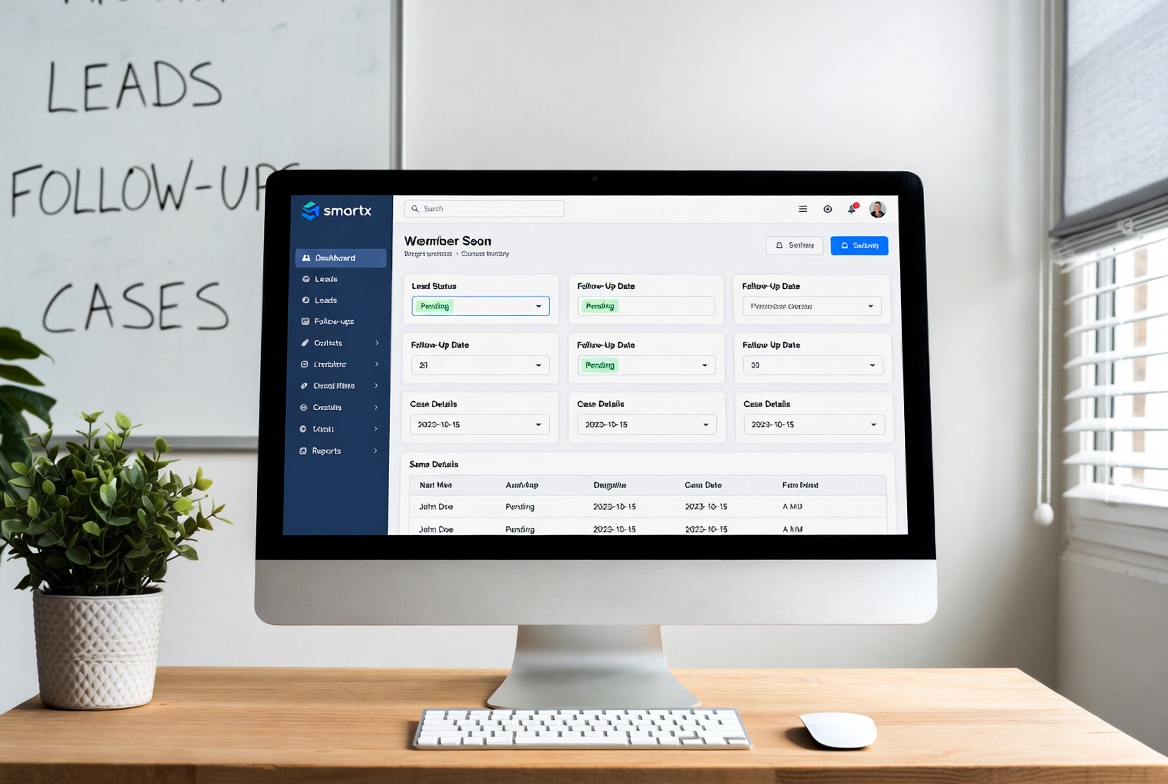
Patient data management forms the foundation of healthcare CRM software, providing secure, HIPAA-compliant storage and access to comprehensive patient information. This includes contact details, insurance information, medical history, appointment records, and communication preferences. Advanced lead and patient management capabilities ensure that all patient interactions are tracked and accessible to authorized healthcare providers.
Appointment scheduling and management features in healthcare CRM software include automated reminders, online scheduling capabilities, waitlist management, and integration with provider calendars. These features significantly reduce no-show rates while improving patient satisfaction and practice efficiency.
Communication automation within healthcare CRM platforms includes email marketing, SMS messaging, automated appointment reminders, and follow-up sequences. Bulk messaging capabilities enable healthcare providers to send important updates, health education materials, and preventive care reminders to large patient populations efficiently.
Analytics and reporting features provide healthcare providers with insights into patient engagement, appointment trends, communication effectiveness, and practice performance. Comprehensive analytics and reports help healthcare administrators make data-driven decisions about staffing, marketing, and patient care strategies.
Implementation Strategies for Healthcare CRM Software
Successful implementation of healthcare CRM software requires careful planning, staff training, and ongoing optimization to achieve maximum benefits. The implementation process should be tailored to the specific needs and capabilities of each healthcare organization while ensuring minimal disruption to patient care.
Data migration represents one of the most critical aspects of healthcare CRM implementation. Importing existing patient contacts and leads must be handled carefully to ensure data accuracy and compliance with privacy regulations. The process should include data cleaning, deduplication, and validation to ensure that the new system starts with high-quality information.
Staff training and change management are essential for successful healthcare CRM adoption. Healthcare professionals are often resistant to new technology, particularly if it adds complexity to their workflows. Comprehensive training programs that demonstrate clear benefits and provide hands-on practice can significantly improve adoption rates and user satisfaction.
Integration planning should address all existing systems and workflows that will be affected by the new healthcare CRM software. This includes EHR systems, billing platforms, scheduling systems, and communication tools. Proper integration ensures that staff can continue working efficiently while benefiting from improved coordination and automation.
Compliance considerations must be addressed throughout the implementation process. Healthcare CRM software must comply with HIPAA regulations, state privacy laws, and other applicable healthcare regulations. This includes secure data storage, access controls, audit trails, and staff training on compliance requirements.
Patient Engagement and Communication Through Healthcare CRM
Modern healthcare CRM software transforms patient engagement by enabling personalized, timely, and relevant communications that improve patient satisfaction while supporting better health outcomes. Effective patient engagement requires understanding individual patient preferences, communication patterns, and care requirements.
Personalized communication strategies within healthcare CRM platforms allow providers to tailor their messaging based on patient demographics, health conditions, treatment plans, and communication preferences. This personalization significantly improves patient engagement rates while ensuring that important health information reaches patients in formats they prefer.
Automated appointment reminders and follow-up communications reduce no-show rates while improving patient compliance with treatment plans. Automated follow-up capabilities can be customized based on appointment types, patient risk factors, and provider preferences to ensure optimal timing and messaging.
Health education and wellness communications through healthcare CRM software help providers maintain ongoing relationships with patients between appointments. These communications can include seasonal health tips, preventive care reminders, and educational materials related to specific health conditions or treatments.
Patient feedback collection and management within healthcare CRM platforms provide valuable insights into patient satisfaction and identify opportunities for improvement. Automated surveys, review management, and feedback analysis help healthcare providers continuously improve their patient experience while identifying potential issues before they become serious problems.
Technology Integration and Interoperability in Healthcare CRM
Healthcare CRM software must integrate seamlessly with existing healthcare technology infrastructure to provide maximum value and avoid workflow disruption. The most effective platforms offer extensive integration capabilities that connect with EHR systems, practice management software, billing platforms, and other essential healthcare technologies.
EHR integration represents the most critical connection for healthcare CRM software. This integration ensures that patient information flows seamlessly between clinical and administrative systems, reducing duplicate data entry while providing comprehensive visibility into patient relationships and care history.
Billing system integration enables healthcare CRM platforms to access financial information that can inform patient communications and care coordination. Understanding payment history, insurance coverage, and outstanding balances helps healthcare providers tailor their communications and identify patients who may need financial assistance or payment plan options.
Marketing automation integration connects healthcare CRM software with email marketing platforms, social media management tools, and other marketing technologies. This integration enables sophisticated patient outreach campaigns while ensuring that all communications remain compliant with healthcare regulations.
Laboratory and imaging system integration provides healthcare CRM platforms with access to test results and diagnostic information that can trigger automated follow-up communications, care reminders, and appointment scheduling. This integration supports proactive patient care while ensuring that important results are communicated promptly.
Compliance and Security in Healthcare CRM Software
Healthcare CRM software must adhere to strict compliance and security requirements that protect patient privacy while supporting healthcare providers in meeting their regulatory obligations. HIPAA compliance represents the minimum standard for healthcare CRM platforms operating in the United States, but many systems exceed these requirements to provide additional security and privacy protections.
Data encryption, both in transit and at rest, is essential for protecting sensitive patient information within healthcare CRM systems. The most secure platforms use enterprise-grade encryption protocols and regularly update their security measures to address emerging threats and vulnerabilities.
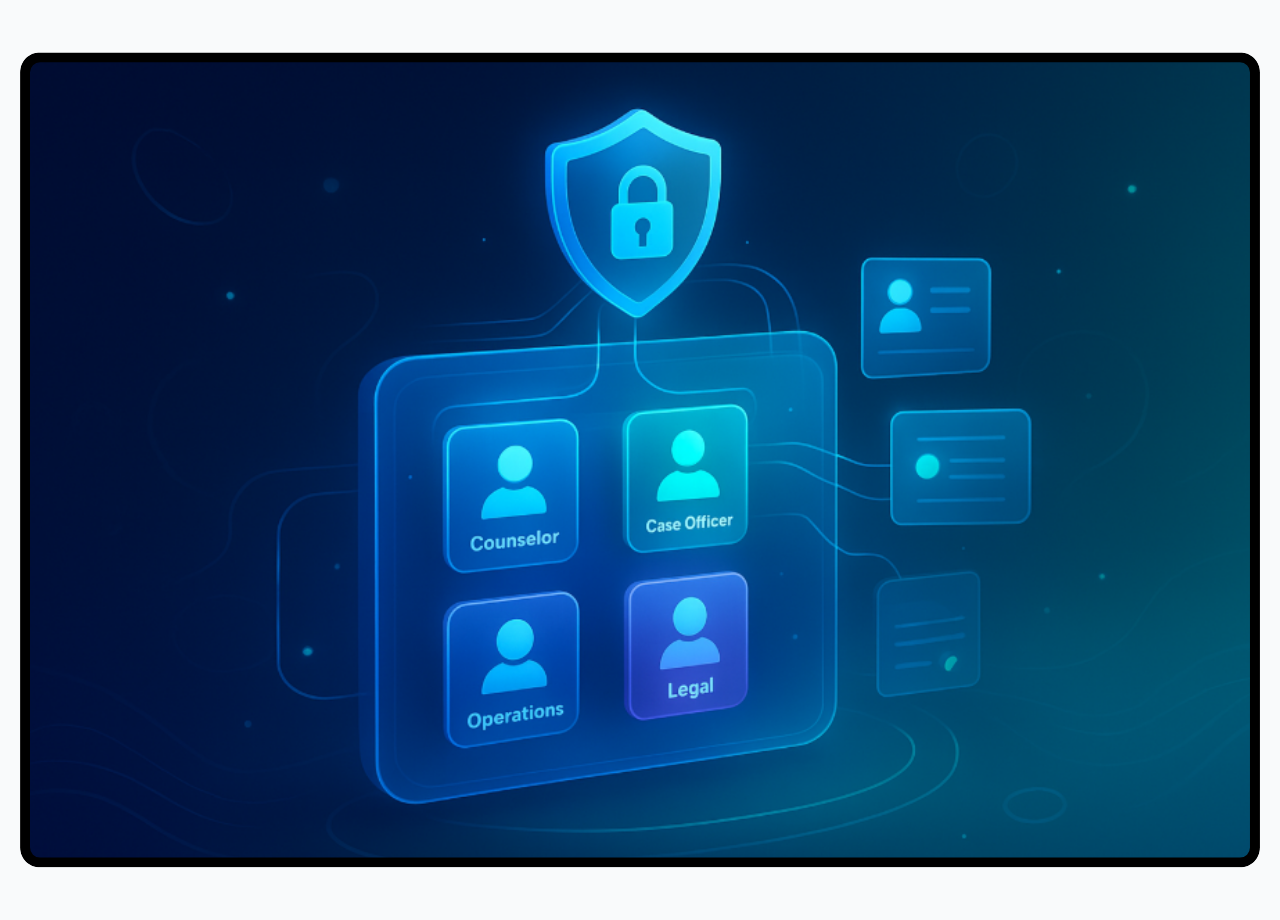
Access controls and user permissions within healthcare CRM software ensure that patient information is only accessible to authorized personnel. Permission settings for viewing and editing patient data should be granular and role-based, allowing healthcare organizations to implement the principle of least privilege access.
Audit trails and activity logging provide healthcare organizations with detailed records of all system access and patient data interactions. These logs are essential for compliance monitoring, security incident investigation, and demonstrating adherence to privacy regulations during audits or investigations.
Regular security assessments and penetration testing help ensure that healthcare CRM platforms maintain robust security postures over time. The most reputable vendors conduct regular security reviews and promptly address any identified vulnerabilities or weaknesses.
Analytics and Reporting for Healthcare Practice Optimization
Advanced analytics and reporting capabilities within healthcare CRM software provide healthcare providers with actionable insights that support practice optimization, patient care improvement, and strategic decision-making. These analytical tools transform raw patient data into meaningful information that drives better outcomes.
Patient engagement analytics help healthcare providers understand communication effectiveness, identify patients at risk of disengagement, and optimize their outreach strategies. Detailed analytics and reporting features provide insights into email open rates, appointment scheduling patterns, and patient response rates across different communication channels.
Practice performance metrics within healthcare CRM systems include appointment utilization rates, patient acquisition costs, retention rates, and revenue per patient. These metrics help healthcare administrators identify opportunities for improvement while tracking progress toward strategic goals.
Population health analytics enable healthcare providers to identify trends and patterns within their patient populations. This information supports preventive care initiatives, chronic disease management programs, and public health reporting requirements.
Financial performance reporting through healthcare CRM software provides insights into practice profitability, payment patterns, and collection effectiveness. This information is essential for healthcare administrators who need to balance financial sustainability with patient care quality.
Mobile Accessibility and Remote Patient Management
Modern healthcare CRM software must support mobile access and remote patient management capabilities to accommodate the evolving needs of healthcare providers and patients. The COVID-19 pandemic accelerated the adoption of telehealth and remote patient monitoring, making mobile-friendly healthcare CRM platforms essential for practice success.
Mobile applications for healthcare CRM software enable healthcare providers to access patient information, update records, and communicate with patients from any location. This capability is particularly valuable for providers who work across multiple locations or need to respond to patient needs outside traditional office hours.
Patient portal integration within healthcare CRM systems provides patients with secure access to their health information, appointment scheduling, and direct communication with their healthcare providers. These portals improve patient engagement while reducing administrative burden on practice staff.
Remote monitoring integration allows healthcare CRM software to incorporate data from wearable devices, home monitoring equipment, and patient-reported outcomes. This information supports proactive patient care while enabling healthcare providers to identify potential issues before they require emergency intervention.
Telehealth integration within healthcare CRM platforms ensures that virtual appointments are managed with the same efficiency and documentation standards as in-person visits. This integration is essential for practices that offer hybrid care models combining traditional and virtual care delivery.
Automation Features That Transform Healthcare Practice Efficiency
Automation capabilities within healthcare CRM software can dramatically improve practice efficiency while ensuring that important patient care activities are never overlooked. Automation suites designed for healthcare eliminate repetitive tasks and create consistent workflows that improve both staff productivity and patient experience.
Appointment reminder automation reduces no-show rates while freeing staff from time-consuming manual reminder calls. Advanced systems can send reminders via multiple channels (email, SMS, phone calls) and can be customized based on patient preferences and appointment types.
Care plan automation helps healthcare providers ensure that patients receive appropriate follow-up care and preventive services. These systems can automatically generate care reminders, schedule follow-up appointments, and trigger communication sequences based on diagnosis codes, treatment plans, or patient risk factors.
Insurance verification and prior authorization automation streamline administrative processes that often create delays in patient care. Automated systems can check insurance coverage, submit prior authorization requests, and track approval status, reducing administrative burden while ensuring that patients receive timely care.
Marketing automation within healthcare CRM software enables sophisticated patient outreach campaigns that maintain engagement while respecting patient preferences and privacy requirements. These campaigns can include health education content, preventive care reminders, and new service announcements.
Selecting the Right Healthcare CRM Software for Your Practice
Choosing the appropriate healthcare CRM software requires careful evaluation of practice needs, existing technology infrastructure, and long-term growth plans. The selection process should consider both current requirements and future expansion possibilities to ensure that the chosen platform can support practice evolution over time.
Practice size and complexity significantly influence healthcare CRM selection criteria. Solo practitioners and small practices often prioritize ease of use, cost-effectiveness, and quick implementation, while larger practices and hospital systems require more sophisticated features, extensive integration capabilities, and robust security measures.
Specialty-specific requirements should be carefully evaluated during the healthcare CRM selection process. Different medical specialties have unique workflows, documentation requirements, and patient management needs that may require specialized functionality or customization capabilities.
Budget considerations extend beyond initial software costs to include implementation expenses, training costs, ongoing support fees, and potential integration costs. Understanding pricing plans and options helps healthcare organizations make informed decisions about long-term technology investments.
Vendor evaluation should include assessment of customer support quality, system reliability, security practices, and long-term viability. Healthcare providers need vendors who understand the unique requirements of healthcare environments and can provide responsive support when issues arise.
Integration Capabilities and Interoperability Standards
Healthcare CRM software must integrate effectively with existing healthcare technology infrastructure to provide maximum value and avoid workflow disruption. Integration availability and capabilities represent critical factors in platform selection and implementation success.
EHR integration standards ensure that patient information flows seamlessly between clinical and administrative systems. The most effective integrations provide real-time data synchronization, eliminating duplicate data entry while ensuring that all systems maintain current, accurate patient information.
Practice management system integration connects healthcare CRM software with scheduling, billing, and administrative platforms. This integration creates unified workflows that support efficient practice operations while providing comprehensive visibility into all aspects of patient relationships.
Laboratory and diagnostic system integration enables healthcare CRM platforms to incorporate test results and diagnostic information into patient communication workflows. Automated result notifications, abnormal value alerts, and follow-up appointment scheduling based on test results improve patient care while reducing administrative workload.
Telehealth platform integration ensures that virtual care delivery is managed with the same efficiency and documentation standards as traditional in-person care. This integration has become increasingly important as telehealth adoption continues to grow across all healthcare specialties.
Patient Data Security and Privacy Protection
Healthcare CRM software must implement comprehensive security measures that protect sensitive patient information while enabling healthcare providers to deliver effective care. Security requirements for healthcare CRM platforms exceed those of traditional business software due to the sensitive nature of health information and strict regulatory requirements.
Encryption protocols protect patient data both during transmission and while stored in healthcare CRM databases. The most secure platforms use advanced encryption standards and regularly update their security measures to address emerging threats and vulnerabilities.
Access control mechanisms within healthcare CRM software ensure that patient information is only accessible to authorized personnel. Role-based access controls, multi-factor authentication, and session monitoring help prevent unauthorized access while providing detailed audit trails for compliance purposes.
Data backup and disaster recovery capabilities protect healthcare organizations from data loss while ensuring business continuity in the event of system failures or security incidents. Cloud-based healthcare CRM platforms typically offer robust backup and recovery services that exceed what most healthcare organizations could implement independently.
Regular security updates and patch management ensure that healthcare CRM software remains protected against newly discovered vulnerabilities. Reputable vendors provide regular updates and maintain dedicated security teams that monitor threats and respond quickly to potential issues.
Cost-Benefit Analysis of Healthcare CRM Implementation
Understanding the financial impact of healthcare CRM software implementation is essential for making informed investment decisions. While the initial costs of healthcare CRM platforms can be significant, the long-term benefits typically provide substantial returns on investment through improved efficiency, increased patient retention, and enhanced revenue optimization.
Direct cost savings from healthcare CRM implementation often include reduced administrative staff requirements, decreased no-show rates, improved collection efficiency, and reduced patient acquisition costs. These savings can be quantified and compared against system costs to calculate return on investment.
Revenue enhancement opportunities through healthcare CRM software include improved patient retention, increased appointment capacity through better scheduling, enhanced patient satisfaction leading to referrals, and better identification of upselling opportunities for additional services.
Productivity improvements resulting from healthcare CRM automation can free healthcare providers to focus more time on patient care rather than administrative tasks. This improved focus often leads to better patient outcomes and increased job satisfaction among healthcare staff.
Risk reduction benefits of healthcare CRM software include improved compliance monitoring, better documentation of patient interactions, and reduced likelihood of communication failures that could lead to patient safety issues or liability concerns.
Future Trends in Healthcare CRM Technology
The healthcare CRM software market continues to evolve rapidly, driven by technological advances, changing patient expectations, and evolving healthcare delivery models. Understanding emerging trends helps healthcare providers make informed decisions about technology investments and strategic planning.
Artificial intelligence and machine learning capabilities are increasingly being integrated into healthcare CRM software to provide predictive analytics, automated decision support, and personalized patient engagement strategies. These technologies can identify patients at risk of disengagement, predict optimal communication timing, and suggest personalized care interventions.
Voice technology integration enables healthcare providers to interact with CRM systems using natural language commands, reducing the time required for data entry and system navigation. This capability is particularly valuable in clinical environments where hands-free operation may be preferred or necessary.
Wearable device integration allows healthcare CRM software to incorporate continuous health monitoring data into patient management workflows. This integration supports proactive care management while providing healthcare providers with more comprehensive visibility into patient health status between appointments.
Blockchain technology may eventually play a role in healthcare CRM software by providing enhanced security, improved interoperability, and better patient control over health information sharing. While still emerging, blockchain applications in healthcare data management show promise for addressing current limitations in data sharing and patient privacy.
SmartXCRM Solutions for Healthcare Providers
SmartXCRM offers comprehensive healthcare CRM solutions designed specifically for healthcare providers who need sophisticated patient management capabilities combined with ease of use and affordability. Our platform addresses the unique challenges faced by healthcare practices while providing the flexibility to adapt to changing needs and growth requirements.
SmartXCRM’s customer relationship management platform includes specialized features for healthcare environments, including HIPAA-compliant data storage, automated patient communication workflows, comprehensive reporting capabilities, and extensive integration options that connect with existing healthcare technology infrastructure.
The platform’s patient management capabilities include sophisticated appointment scheduling, automated reminder systems, personalized communication workflows, and detailed analytics that help healthcare providers optimize their operations while improving patient satisfaction. Our smart CRM choice for modern healthcare businesses combines advanced functionality with intuitive design that healthcare staff can learn quickly and use effectively.
SmartXCRM’s healthcare solutions also include specialized lead generation capabilities that help healthcare practices attract new patients while maintaining strong relationships with existing ones. Our platform supports sophisticated marketing campaigns, referral tracking, and patient acquisition analytics that help healthcare providers grow their practices sustainably.
Conclusion: Choosing the Best Healthcare CRM for Your Practice
Selecting the right healthcare CRM software represents a critical decision that will impact patient care quality, practice efficiency, and long-term success. The best healthcare CRM for patient management combines comprehensive functionality with ease of use, robust security, and the flexibility to adapt to changing healthcare environments.
The most common healthcare CRMs by total installations have achieved their market positions by consistently delivering value to healthcare providers while adapting to evolving industry needs. However, the best choice for any specific healthcare organization depends on unique requirements, existing technology infrastructure, and strategic objectives.
Healthcare CRM software will continue to play an increasingly important role in healthcare delivery as patient expectations evolve and healthcare organizations seek to improve efficiency while maintaining high-quality care. Providers who invest in comprehensive healthcare CRM solutions position themselves for success in an increasingly competitive and technology-driven healthcare environment.
SmartXCRM provides healthcare organizations with the tools and capabilities necessary to excel in patient relationship management while building sustainable, profitable practices. Our commitment to healthcare innovation ensures that our platform continues to evolve with the changing needs of healthcare providers and their patients.
The future of healthcare depends on technology solutions that enhance rather than complicate the provider-patient relationship. By choosing healthcare CRM software that prioritizes patient care while providing powerful management capabilities, healthcare providers can build thriving practices that deliver exceptional outcomes for both patients and providers.



Leave a comment: